Discover our limited seasonal offers and travel Europe at its most beautiful
Find your tourBehind the journey: How a Boat Bike Tour really comes together
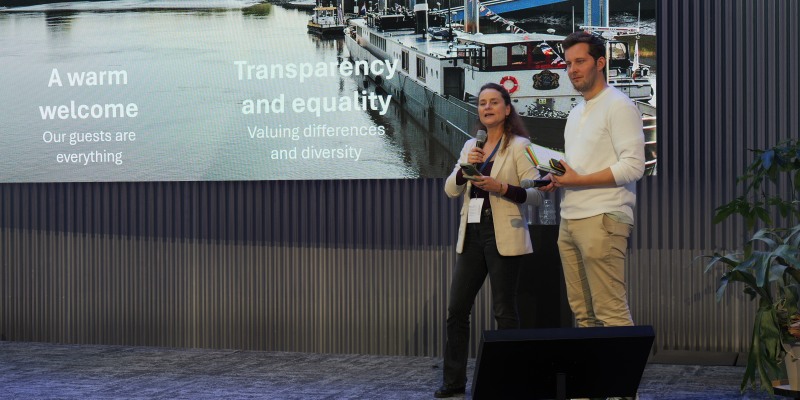
What does it really take to create a Boat Bike Tour that runs smoothly and feels inspiring and effortless? In this episode of the Boat Bike Tours podcast, host Ennie speaks with Sil Faas from the product development team, one of the people shaping the journeys that guests experience from day to day.
Guests usually see the finished result: a scenic route, a welcoming ship, and stops that seem to appear at exactly the right moment. What they do not see is the work behind it: route checks, changing dock regulations, shifting local conditions, and the countless choices required to make a vacation feel easy instead of stressful.
And that raises the real question: when a tour feels seamless, how much invisible work made that possible?
Where a new tour begins
According to Sil, a new tour does not begin with a single flash of inspiration. It often starts with something more practical: a ship and a sailing area. From there, the team looks at what is possible between certain cities, whether the region works for cycling, and how the route might come together as a complete travel experience.
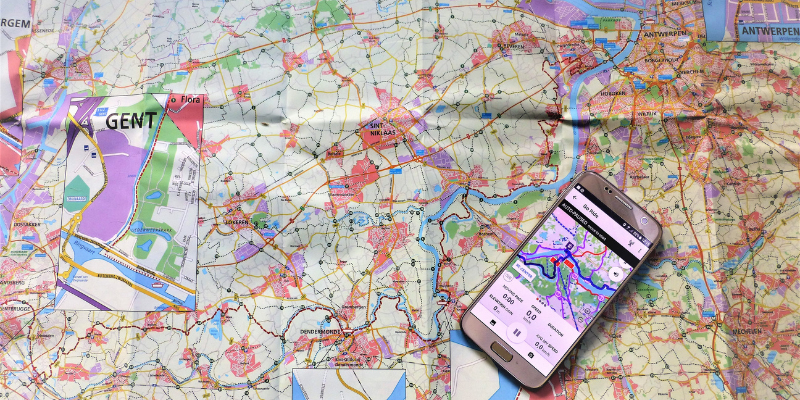
Maps are part of the process, but they are only the beginning. As Sil explains, “You pretty much have to go there.” That means seeing the ports, testing whether routes connect logically, and checking whether there is actually enough along the way to make the day interesting and enjoyable. A route might look beautiful on paper, but that does not mean it works as a real travel day.
A good tour should feel effortless
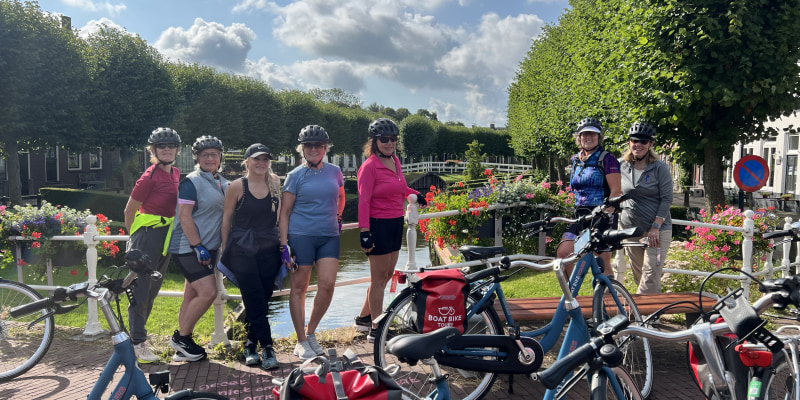
One of the strongest ideas in the conversation is that a well-designed tour should never feel complicated to the guest. Or as Sil says it, “If it feels complicated to you … then I did not do a good job.” He talks about flow: the timing of breakfast, the length of the bike ride, the stops along the way, and the moment guests return to the ship. All of those elements need to fit together naturally. If guests feel rushed, confused, or overly aware of logistics, something in the design is off.
That insight matters because it shifts the focus away from individual highlights and toward the full rhythm of the day. A successful tour is not just a collection of nice places. It is a carefully balanced experience that feels easy while it is happening.
Why local character matters
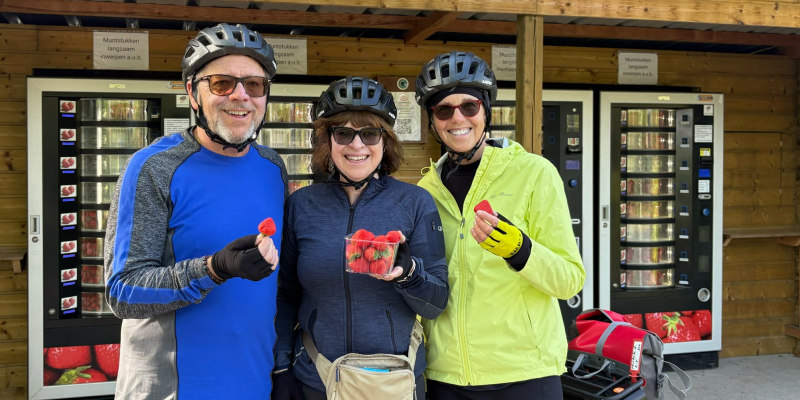
Sil also makes a compelling case for authenticity. Some of the best moments on a tour are not the most polished ones. That’s why Sil says he always tries to include “something that you don’t expect, something that the region actually has to offer.”
He shares the example of looking for a wine stop in Burgundy. The team didn’t go for the easy choice: a glossy visitor experience. Instead, they found a real winemaker: someone who had spent his life doing this work, and whose father had done the same before him. The presentation may not have been perfect, and tour leaders sometimes had to translate, but the experience felt genuine. That was what made it meaningful.
The same goes for a small café stop on the Amsterdam-to-Bruges route. It’s not fancy. It’s not built for tourism. But it gives guests access to something more memorable: a real corner of Belgian countryside life, complete with locals, familiar routines, and a sense of place they would never have found on their own.
Behind-the-scenes insight is more important than creativity
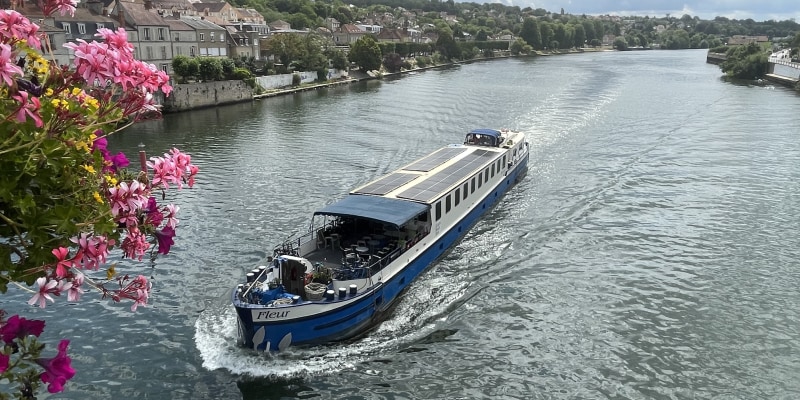
Although Sil now works mainly in an office, he has a hands-on background. He used to work on ships, first in cargo shipping and later on passenger ships. His career at Boat Bike Tours started when he worked as a sailor on the Fleur, helping with ropes, locks, breakfast, dishes, and onboard logistics before eventually entering office work through an internship role.
That matters. It means his product development work is grounded in real operational knowledge. He understands the guest experience, but also the practical reality behind it: route notes, materials, crew coordination, and what it takes to make things function on board and ashore.
That kind of behind-the-scenes insight shows that these tours are not designed based on theory alone. They are shaped by people who know how the operation works in practice.
Tours are never truly finished
Another important theme in the conversation is that product development is ongoing. A route that worked last year may not work this year. Roads change. Harbors change their docking policies. Conditions evolve, and tours need to evolve with them.
Sil describes his work as a constant process of asking how things can work better. That includes not only creating new itineraries, but also keeping existing ones current and improving them when needed. In other words, a tour is never simply launched and left alone. It is maintained, adjusted, and refined over time.
What the Magnifique X reveals
A strong example of that kind of approach is the new Magnifique X concept. Sil describes it as a more luxurious category, but what stands out most is not luxury in itself. It is the team’s effort to remove friction from the guest experience.
They looked at recurring pain points: stressful arrivals, jet lag after long flights, and moments that felt less effortless than they could be. Their response was practical. The new concept includes airport pickup, hotel nights before and after the cruise, and design choices on the ship that respond directly to what guests value most, including bigger windows and more comfortable shared spaces.
Feedback is part of the design process
Sil is also very direct about how much feedback matters. When asked what role tour leaders and guests play in redesigning trips, his answer is immediate: “Everything.”
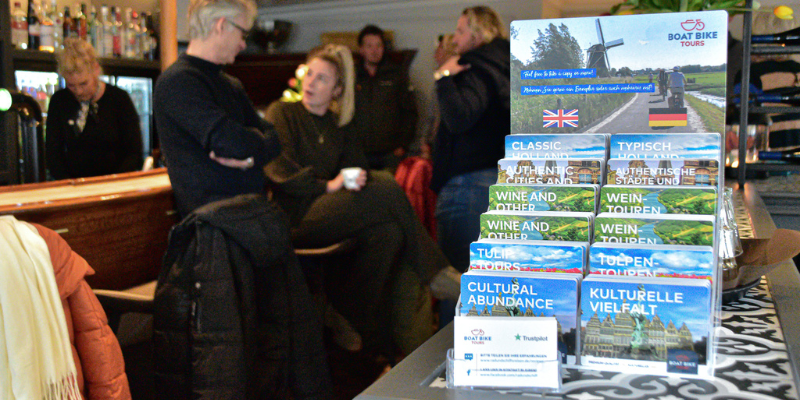
He explains that the team looks at tour leader input, guest feedback, star ratings, and recurring patterns. “And then we start looking for recurring themes.” That’s where redesign begins: not with guesswork, but with repeated signals from the people actually experiencing the tour.
When things go wrong
The conversation also becomes especially revealing when it turns to disruption. Sil speaks openly about high water, broken bridges, and even the extreme case of a boat fire. His explanation of crisis response is striking in its simplicity: first get guests something to drink, then something to eat, then somewhere to sleep.
That order says a lot. It shows calm, prioritization, and a very human approach to problem-solving. Plans may change, routes may need to be rewritten, and whole itineraries may sometimes need to be replaced. But the focus stays on care, clarity, and creating the best possible experience under the circumstances.
The work behind the ease
Early in the episode, Sil jokes that he gets paid “to think of how a holiday could look.” It is a charming line, but by the end of the conversation it means something deeper.
Because what he and the team really do is not just imagine a vacation. They test it. Adjust it. Rebuild it when needed. They look for flow, authenticity, comfort, and resilience. And then they keep refining until the guest experience feels easy.
That is the hidden story behind a great Boat Bike Tour. Not just where it goes, but how much care goes into making it feel effortless when you’re finally there.
Inspired to start your own adventure?
To plan your own bike and boat adventure, call us at (203) 814-1249. You can also send an email to info@boatbiketours.com, if you prefer. Either way, we’ll be happy to help. And don’t forget to subscribe to our newsletter to stay updated on our latest tours and special offers. We’d love to welcome you on board!
Questions or advice
Our Tour Advisors are here to assist you:
Monday to Friday
Amsterdam: 08:30 to 22:00
New York: 6:00AM to 7:00PM
NL: +31 (0) 20 72 35 400
USA: +1 203 814 1249
Secure payment
with Visa, Bancontact, American Express & Mastercard



Follow us for inspiration
About tours, cities and countries.
© 2026 Boat Bike Tours B.V. All information on this website is subject to change. Any typographical and/or graphical errors are unintentional but cannot be excluded; only your travel confirmation is legally binding. Our General Traveller Terms and Conditions for package tours apply to all trips, programs, offers and travel confirmations.
Boat Bike Tours B.V. does not participate in a dispute resolution procedure before a consumer arbitration board.
Texts and images: copyright owned by Boat Bike Tours B.V. Images: Intellectual property rights may be held by various organizations.
This website is owned and operated by Boat Bike Tours B.V. Our contact details (head office): Aambeeldstraat 20, 1021 KB Amsterdam, The Netherlands, info@boatbiketours.com, Chamber of Commerce number: 37147084, VAT number: NL8203.26.513.B01